
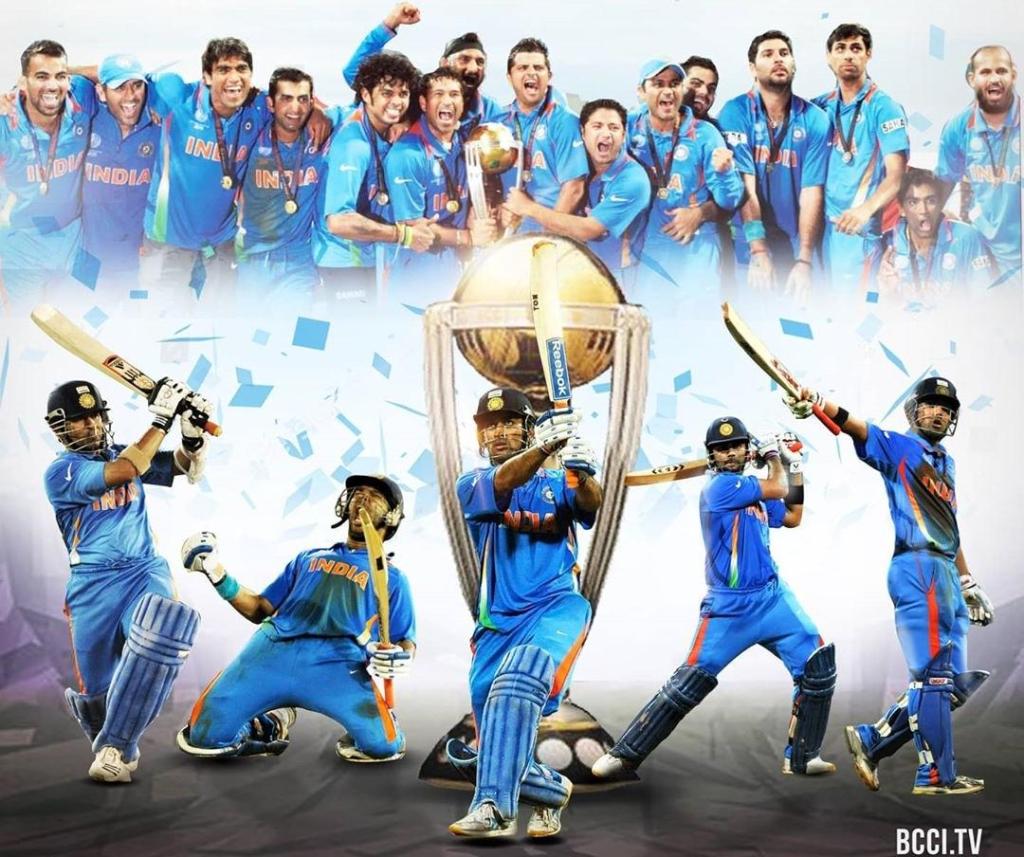
Historically, cricket’s origins are uncertain and the earliest definite reference is in south-east England in the middle of the 16th century. It spread globally with the expansion of the British Empire, leading to the first international matches in the second half of the 19th century. The game’s governing body is the International Cricket Council (ICC), which has over 100 members, twelve of which are full members who play Test matches. The game’s rules are held in a code called the Laws of Cricket which is owned and maintained by Marylebone Cricket Club (MCC) in London. The sport is followed primarily in the Indian subcontinent, Australasia, the United Kingdom, southern Africa and the West Indies, its globalisation occurring during the expansion of the British Empire and remaining popular into the 21st century.[1]Women’s cricket, which is organised and played separately, has also achieved international standard. The most successful side playing international cricket is Australia, which has won seven One Day International trophies, including five World Cups, more than any other country and has been the top-rated Test side more than any other country.
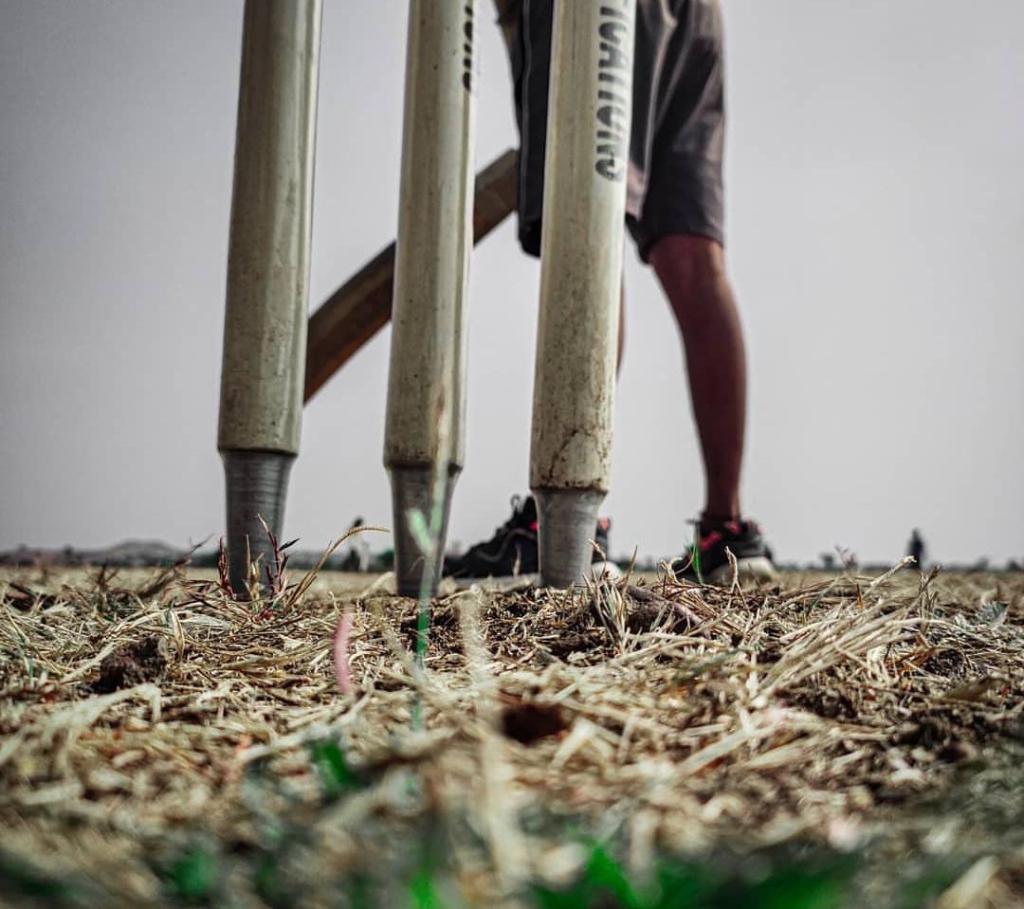
It’s played all over the country, watched and loved by millions, and our national cricket team are looked up to as heroes by kids of all ages.
Cricket is also a fun, social game to play, that’s easy to learn and can be enjoyed by boys and girls from as young as 5 years old. You will also find that most schools will include cricket as part of their physical education curriculum and nearly every town and suburb will have a team that plays in a local competition.
So, when deciding on a great sport for your childto play to meet friends, have fun and get active, cricket is an ideal choice.
In today’s article, we will explain some of the basic rules and teach some simple exercises that kids and their parents can do at home, or in the park to develop skills and improve their overall game.
*If you are already familiar with the rules of cricket you can skip this part and go straight into the skills exercise section below.
BASIC RULES OF CRICKET
Cricket is played between two teams each made up of eleven players. (Sometime in junior competitions you will find 8 player teams).
Games comprise of at least one innings where each team will take turns in batting and fielding/bowling.
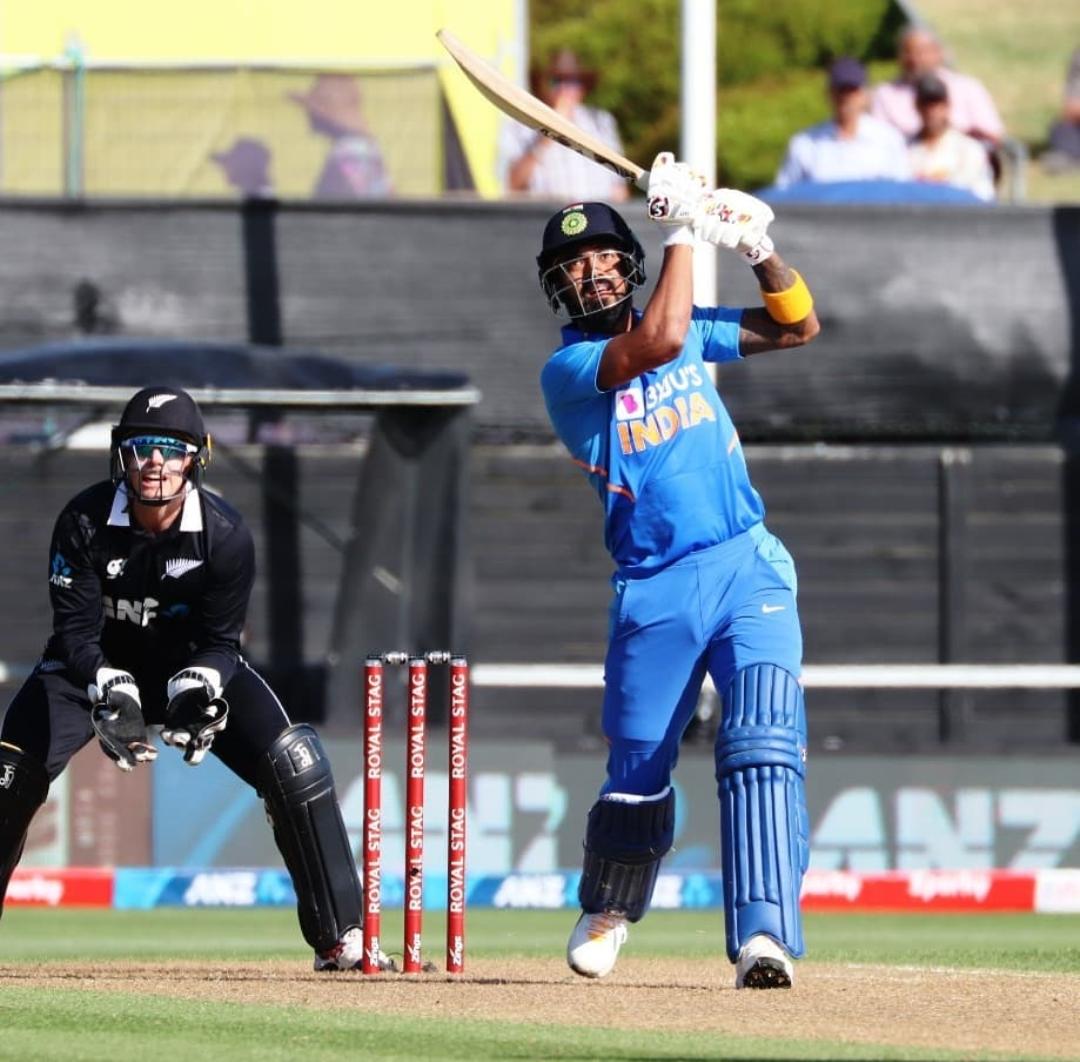
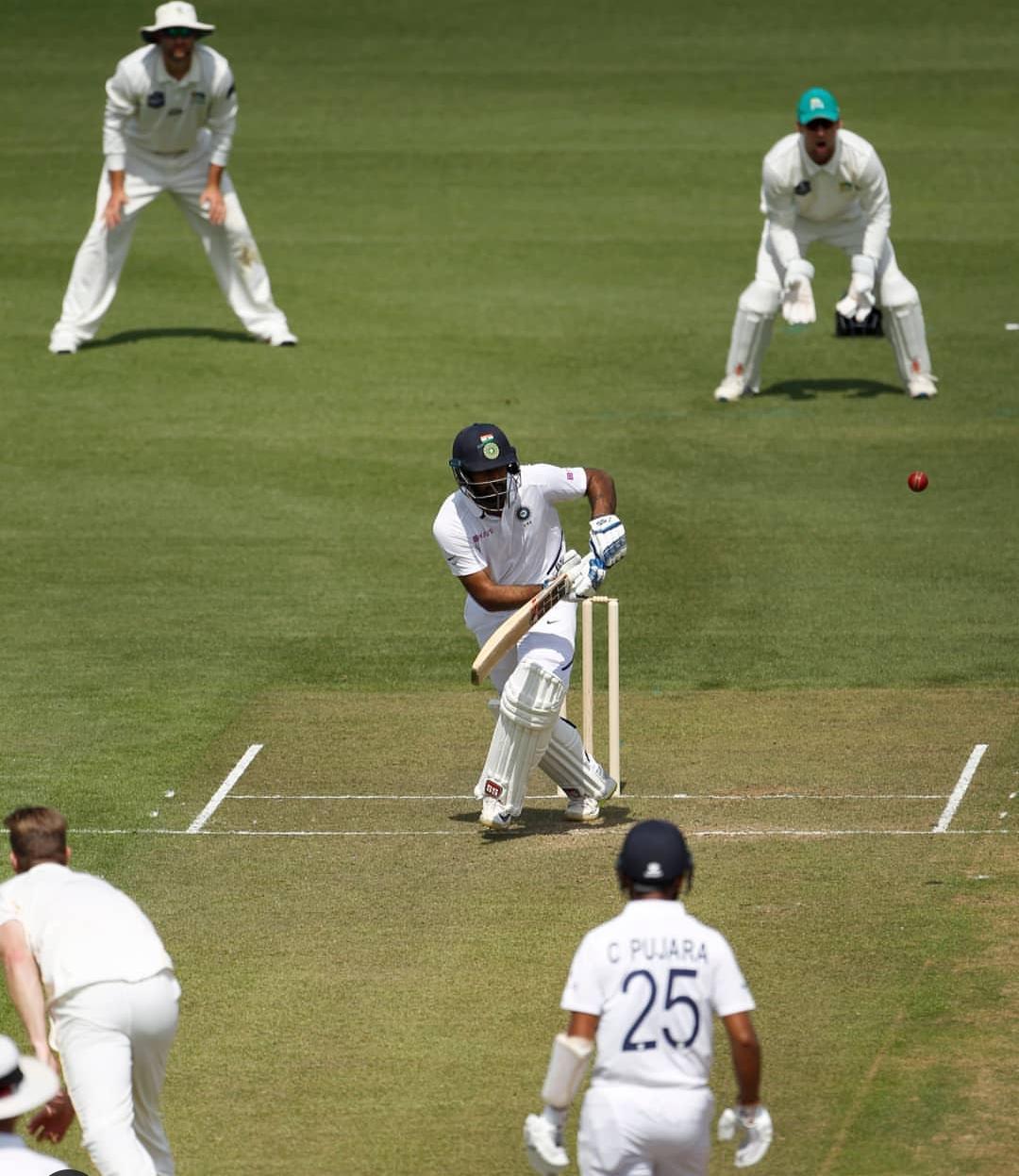
The fielding team will have a bowler bowl the ball to the batsman who tries to hit the ball with their bat.
The fielding team tries to get the batsmen out by…
Hitting the wickets with the ball when bowling
Catching a batsman’s shot on the full
Hitting the batsman’s leg in front of the wicket (LBW)
Or hitting the wickets before the batsmen can run to the other end of the pitch
The batmen try to score as many runs as possible before getting out by…
Hitting the ball and running between the wickets and making it to the other end before the fielders can hit the wickets with the ball. Each time you run one full length of the pitch it equals 1 run.
Hitting the ball to the boundary along the ground is 4 runs.
Hitting the ball over the boundary on the full equals 6 runs.
The fielding team must get 10 batsmen out before they can change over and start batting.
The aim of the game is to score as many runs as possible before the fielding team takes 10 wickets. The team with the most runs wins.
BASIC CRICKET SKILLS AND EXERCISES
When your child starts to play sport it always helps them enjoy it more if they have a basic level of skill and understanding of the game. They will be able to participate more, have more confidence and this will stay motivated to keep playing and being active.
To be a good cricket player requires:
Good hand eye co-ordination
The ability to throw and catch a ball
Good batting and bowling technique
The ability to concentrate for sometimes long periods of time
Below we’ll practice exercises that develop skills 1-2. Good concentration is a skill that can only be developed over time.
EXERCISE 1 BATTING: HAND EYE CO-ORDINATION AND BATTING TECHNIQUE.
The late great Don Bradman used to do this exercise everyday as a kid (and it sure worked for him).
Stand about 4 metres back from a concrete wall and hit a tennis ball into the wall. When the ball rebounds hit it again.
When hitting face side on to the wall, feet shoulder width apart, bat lifted ready to hit the ball. As you hit the ball keep your front elbow up and hit straight through the ball so it bounces once before hitting the wall.
Try to hit the ball as many times as possible before you lose control and you can even compete against your friends to see who can get the highest number of hits.
As you improve try using a golf ball to increase the difficulty.
EXERCISE 2 FIELDING: HAND-EYE COORDINATION, THROWING AND CATCHING
“Catches win matches” as the old saying goes so improving hand eye coordination for catching is very important.
Place two balls on the ground 3 metres in front of a wall.
Pick up the first ball throw it at the wall, clap your hands and the catch the ball with two hands as it rebounds off the wall.
Then place the ball back on the ground, run to a marker behind you 10 metres away from the wall and run back to the second ball.
Pick up the second ball throw it at the wall, clap your hands and catch the ball with one hand.
Place the ball on the ground, run back to the 10-metre marker and return to the first ball, and repeat.
Aim to increase speed and go as many times as you can without dropping the ball.
You can also practice catching with your non-dominant hand at the second ball station.
EXERCISE 3: BOWLING TECHNIQUE
Learning a proper cricket bowling technique can be difficult for beginners so it’s important to start slowly, get the technique right and then worry about the accuracy of the bowl later. The “Rock and Bowl” is a great learners drill.
Stand side on to the batsmen/wickets with your dominant hand at the back.
Hold the ball with both hands under your chin and turn your head sideways to face the batsmen/target.
Rock back and forth transferring weight from the front foot to the back foot in a smooth consistent motion.
Now as you rock back extend your back arm and when you rock forward let your front arm extend and pull down and your back arm comes over your head and releases the ball in the direction of the batsmen.
This will take patience and practice to feel comfortable and it’s important to watch your favourite bowlers to see their techniques for some extra tips.
Practicing these 3 exercises regularly will give your child the basic skills they need to join in with cricket matches and have fun.
There are also beginner level coaching camps all around Australia that run during the school holiday so for more information visit our cricket camps.

 Site Title